Ultimate Guide to Meta Tag Optimization with the Meta Extractor Tool
The Foundational Role of Meta Tags in Modern SEO
When a potential client or casual user submits a query to Google, the very first interaction they have with your brand occurs directly on the Search Engine Results Page (SERP).The clickable blue headline they see is your Meta Title, and the brief summarize paragraph directly underneath it is your Meta Description.
While these specific HTML elements reside completely invisibly within the backend `<head>` section of your website code rather than on the visible rendered page, their impact on organic search performance is absolutely staggering.
A meticulously optimized meta title is arguably the single most critical on-page ranking factor evaluated by algorithms.
It definitively tells search engine crawlers precisely what overarching topic your content covers.
Conversely, while meta descriptions are technically no longer considered a direct, algorithmic ranking variable by Google, they act as your primary organic advertisement.
A highly compelling description drastically increases your Click-Through Rate (CTR).
High CTRs send powerful positive behavioral signals back to the algorithm, which indirectly boosts your rankings over time.
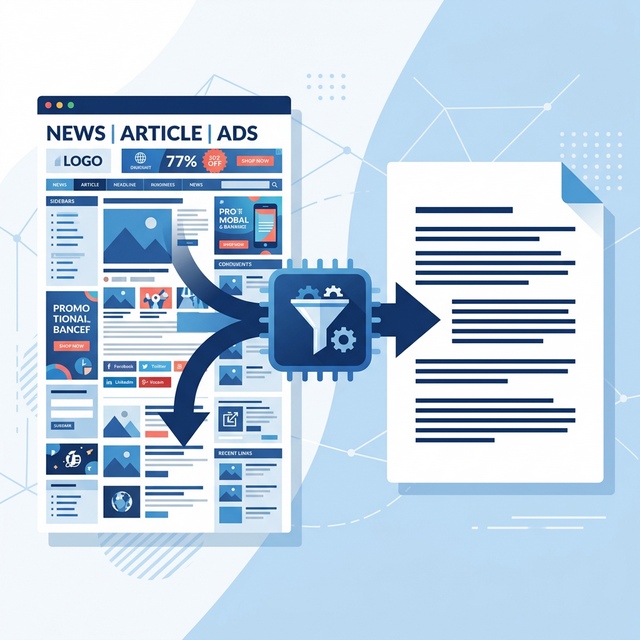
Our sophisticated Free Meta Extractor Tool is engineered to help digital publishers completely demystify this process.
By allowing you to instantly pull and mathematically analyze the exact meta data deployed by currently top-ranking competitors, you can reverse-engineer successful semantic patterns without requiring complex scraping software or tedious manual code inspection.
Why You Must Continuously Audit and Extract Meta Data
The landscape of search engine optimization is fiercely competitive and constantly shifting based on user behavior adjustments and algorithmic core updates.Operating under the assumption that your historical meta tags are still functionally optimal after six months is a massive technical mistake.
Search intent actively evolves.
For instance, a user searching for a XML Sitemap Generator actively desires a free, immediate tool.
If your meta description vaguely discusses the history of XML data rather than offering a solution, your organic CTR will plummet.
By utilizing a dedicated extraction utility, you can routinely audit your own internal pages to ensure all metadata strictly aligns with current, high-conversion search intent.
More importantly, competitive intelligence is the key to outranking entrenched industry leaders.
When you enter a highly dominant competitor’s URL into our extraction interface, the software instantly exposes their precise keyword targeting strategy.
You can visibly observe exactly which semantic modifiers they are utilizing (such as "Free," "2026 Updated," or "Instant") to aggressively capture organic clicks.
This data allows you to craft slightly superior, highly targeted variations of their successful tags, effectively stealing market share.
Identifying Missing Canonical Tags (Focus Keyword Variation)
Beyond basic titles and descriptions, our extraction infrastructure actively seeks out and reports on Canonical URL tags.Duplicate content issues routinely destroy ranking potential, especially for e-commerce stores featuring numerous product variations.
A properly formatted canonical tag explicitly instructs search engines regarding which specific URL variant should be treated as the authoritative master copy.
By running an automated meta tag extraction audit, you instantly identify missing or incorrectly configured canonical markers that might currently be bleeding your valuable link equity or confusing search indexation algorithms.
Improving Relevancy Signals Through Entity Targeting (Semantic Entity)
Modern natural language processing (NLP) search engines no longer exclusively evaluate exact-match keywords placed strictly within titles.They deeply analyze related semantic entities.
When structuring your meta descriptions, extracting and reviewing competitor data highlights which specific industry entities are being heavily rewarded by the algorithm.
If top competitors are all explicitly mentioning "structured data formatting" within their tags, you know that entity is mathematically linked to the primary query intent.
Integrating those exact contextual entities into your own metadata dramatically strengthens your overall topical relevancy score.
The Serious Dangers of Algorithmic Meta Rewrites
Google officially admits that they rewrite or dynamically alter meta titles and descriptions in approximately 60% of all global search queries.This predominantly happens when an algorithm determines that a publisher's manually defined meta tag is either completely irrelevant to the user’s specific search query, excessively keyword-stuffed, or drastically exceeds standard pixel length limits.
When Google's automated systems forcibly rewrite your carefully crafted messaging, they typically pull random, disjointed sentences directly from the middle of your page’s body content.
This almost universally guarantees a massive drop in organic click-through rates because the resulting snippet lacks a cohesive marketing hook or a strong call-to-action (CTA).
The absolute best defensive strategy against algorithmic rewrites is proactive precision.
Use a length visualization tool to ensure your titles remain strictly under 60 characters and your descriptions stay beneath 155 characters.
Furthermore, heavily interlink related concepts.
For example, if you are writing about meta tags, organically linking to your internal article on Keyword Density Optimization helps search engines comprehensively understand your domain's extensive topical authority, making them significantly less likely to override your preferred HTML tags.
Meta CTR Performance Data Point
Comprehensive industry correlation studies analyzing millions of organic search listings conclusively demonstrate that webpages maintaining meticulously optimized, accurate meta descriptions that strictly avoid algorithmic truncation natively achieve an average click-through rate roughly 5.8% higher than direct competitors relying on auto-generated or poorly formatted snippets, translating to massive compounding traffic gains annually.How to Extract and Analyze Meta Tags in Seconds
Gaining actionable competitive intelligence and securing your technical on-page SEO is remarkably straightforward utilizing our platform.1.
Locate the Target URL: Identify the specific webpage—either an internal asset residing on your domain or a high-ranking competitor URL—that you wish to thoroughly audit. 2.
Run the Extraction Process: Paste the complete destination address into the Free Meta Extractor Tool interface and initialize the processing sequence. 3.
Analyze the Structured Output: The system will instantly parse the target's underlying HTML array, cleanly displaying the exact Character Count, Pixel Length, and Raw Text for the Meta Title, Meta Description, and associated Canonical URL. 4.
Iterate and Optimize: Utilize this extracted competitive data to surgically rewrite your own HTML tags, ensuring they accurately match semantic intent while remaining safely under the algorithmic truncation character limits.
Take Total Control of Your Search Appearance
Your meta tags actively function as your digital storefront window display.Relying on outdated formatting or blindly hoping search engines will magically interpret your content correctly is an inherently flawed strategy.
It leaves immense amounts of heavily qualified organic traffic completely stranded.
Take immediate, decisive action today.
Utilize our Free Meta Extractor Tool to routinely audit your existing on-page architecture, violently dissect competitor keyword targeting methodologies, and rapidly deploy high-conversion messaging that practically forces targeted users to click your listing first.
--- Schema Recommendation: - Article (for the standard informational blog format) - HowTo (for the sequential extraction guide) - FAQ (for addressing related queries such as "Why does Google change my meta title automatically?" and "What is the optimal pixel length for meta descriptions?")